
Dogs and fireworks: Calming tips & tricks
For many pet owners, celebrations involving fireworks bring anxiety rather than excitement. If you have a dog scared of fireworks, nights like Bonfire Night, New Year’s Eve, Diwali, or even unexpected local displays can be deeply stressful for both you and your dog.
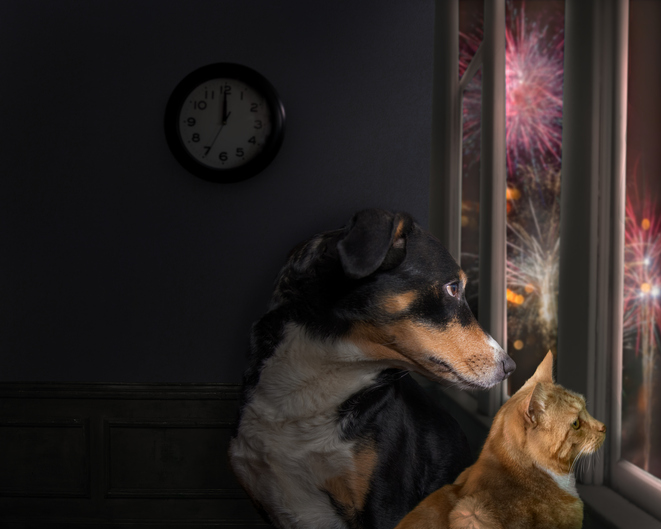
Research shows this is a widespread issue. The PDSA Paw Report found that around 40% of dog and cat owners say their pet is afraid of fireworks. Dogs can react in very different ways: some bark excessively, others shake, hide, pace, or try to escape. Seeing a dog scared of fireworks shaking or panicking can be heartbreaking.
This guide explains why dogs are scared of fireworks, how to prepare in advance, what to do during displays, how to help your dog recover afterwards, and when to seek professional support.
Why Are Dogs Scared of Fireworks?
Dogs experience the world very differently from humans and fireworks can be overwhelming for several reasons:
- Heightened hearing: Dogs’ ears are far more sensitive than ours, making fireworks painfully loud.
- Unpredictability: Fireworks are sudden, erratic and impossible for dogs to anticipate.
- Vibrations and flashes: The combination of booming noises, vibrations through the ground and bright flashes can trigger fear.
- Lack of understanding: Dogs don’t know fireworks are harmless celebrations.
According to the Blue Cross, dogs may show stress or anxiety through behaviours such as panting, drooling, shaking, yawning, pacing, whining or tucking their tail between their legs.
Understanding this helps us respond with empathy rather than frustration.
Before Fireworks: Preparation Tips
Preparing in advance is one of the most effective ways to reduce fear. Firework “season” often lasts weeks, so early planning is essential.
Start Preparing Well in Advance
Gradual desensitisation can help some dogs. Specially designed firework soundtracks or apps play noises at a low level and slowly increase volume over time. Always pair sounds with positive experiences like treats or play.
Tip: Never force your dog to “face their fear” at full volume, this can make anxiety worse.
Research Firework Displays in Your Area
Check local event listings and ask neighbours if they plan to set off fireworks. Knowing when displays are likely helps you plan walks, feeding times and calming strategies.
Make Sure Your Dog’s ID Details Are Up to Date
A dog scared of fireworks may bolt or attempt to escape. Ensure:
- Your dog wears a collar and ID tag
- Microchip details are correct and current
This is crucial in case your dog gets lost.
Create a Safe Place
Many dogs seek out small, enclosed spaces when frightened. You can help by creating a cosy den:
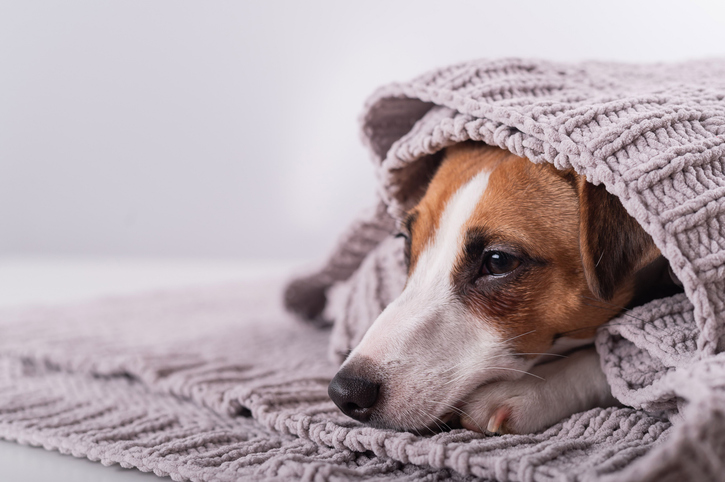
- Cover a crate or table with blankets
- Use a quiet room or corner
- Add bedding, favourite toys and treats
Introduce this space well before fireworks so it feels familiar and safe.
During Fireworks: How to Comfort and Manage Anxiety
When fireworks start, your role is to provide calm reassurance and minimise stress.
Walk Your Dog Earlier in the Day
Fireworks usually begin after dark, so aim for daytime walks and a final toilet break before dusk. If your dog must go outside later:
- Keep them on a lead
- Ensure your garden is fully secure
Adjust Routine to Suit Your Dog’s Needs
Anxious dogs may pant more and become thirsty, so keep water topped up. Feeding earlier can also help if your dog tends to lose their appetite when stressed.
Prepare Your Home Environment
As fireworks begin:
- Close windows and doors
- Draw curtains or blinds to block flashes
- Keep your dog indoors
Pheromone plug-ins or sprays can help create a sense of calm for some dogs.
Stay With Your Dog and Remain Calm
Your presence matters. Leaving a dog alone during fireworks often increases fear. Act normally and stay relaxed, dogs pick up on human emotions.
Reward calm behaviour with treats or gentle play, but never punish fearful reactions.
Offer Comfort on Your Dog’s Terms
Some dogs want cuddles, others prefer to hide. Let your dog choose. Distractions such as food puzzles, sniffing games or gentle play can help shift focus.
Background noise like the TV, radio or calming music can also mask unfamiliar sounds.
After Fireworks: Helping Your Dog Recover and Relax
Even once the noise stops, some dogs remain unsettled.
Allow Time to Decompress
Your dog may need hours, or even a day or two, to fully relax. Stick to comforting routines and provide extra reassurance.
Encourage Calm, Positive Activities
Low-key activities like gentle walks, enrichment toys or quiet play can help release stress without overwhelming your dog.
Monitor Behaviour Over the Following Days
If your dog remains clingy, withdrawn or jumpy, it may be a sign they’re still affected. Make a note of these reactions, especially if fireworks occur frequently in your area.
When to Seek Professional Help
Speak to Your Vet About Firework Anxiety
If your dog’s fear is severe or worsening, consult your vet. They can advise on:
- Behavioural strategies
- Calming supplements
- Prescription medication where appropriate
Consider a Qualified Dog Behaviourist
A professional behaviourist can create a tailored plan to help your dog cope long term, improving their quality of life during firework season.
Fireworks and Holidays: What If You’re Away?
If you’re travelling during firework season and your dog struggles with noise, planning care is especially important. At Barking Mad Dog Care, we offer home-from-home dog sitting with experienced host families who understand anxious dogs. Letting carers know about firework fears in advance allows them to offer extra reassurance and support.
FAQs: Dogs and Fireworks
Do fireworks hurt dogs’ ears?
Fireworks can be painfully loud for dogs due to their sensitive hearing, which contributes to fear and stress, even if there’s no lasting physical damage.
Should I cuddle my dog during fireworks?
If your dog seeks comfort. Reassuring a frightened dog does not reinforce fear. Let your dog decide whether they want closeness or space.
What dog breeds are most scared of fireworks?
Any breed can be affected, but herding, working and highly sensitive breeds are often reported to be more reactive. Individual temperament matters more than breed.
How long do dogs stay anxious after fireworks?
Some dogs calm down quickly, while others may stay anxious for hours or days. Repeated exposure without support can make anxiety last longer.
What sound calms dogs during fireworks?
Low-volume TV, radio, white noise or specially designed calming music can help mask sudden bangs.
Why is my dog suddenly scared of fireworks?
A negative experience, ageing, hearing changes or increased sensitivity can all cause new fears to develop, even in previously calm dogs.
Why do dogs go in the bathtub during fireworks?
Bathtubs are small, enclosed and insulated spaces, which can feel safer and quieter to a frightened dog.
Does covering a dog’s ears help with fireworks?
Some dogs benefit from specialist ear wraps or anxiety garments, but results vary. Never force anything onto a stressed dog.
Can fireworks traumatise a dog?
Repeated or intense exposure without support can lead to long-term noise phobias and behavioural changes.
If you’re wondering how to help dogs scared of fireworks, the key is preparation and patience. Firework fear is common, natural and manageable with the right approach. By planning ahead, creating a safe environment and seeking help when needed, you can make a real difference to your dog’s wellbeing, not just during fireworks, but all year round.